
Many organizations want to be inclusive but stall on the first question: where do we begin? A disability inclusion program answers that. It is a structured, repeatable plan that builds real participation for people with disabilities, not a one-off gesture. This guide walks you through what such a program contains and the exact steps to launch one.
What Is Disability Inclusion?
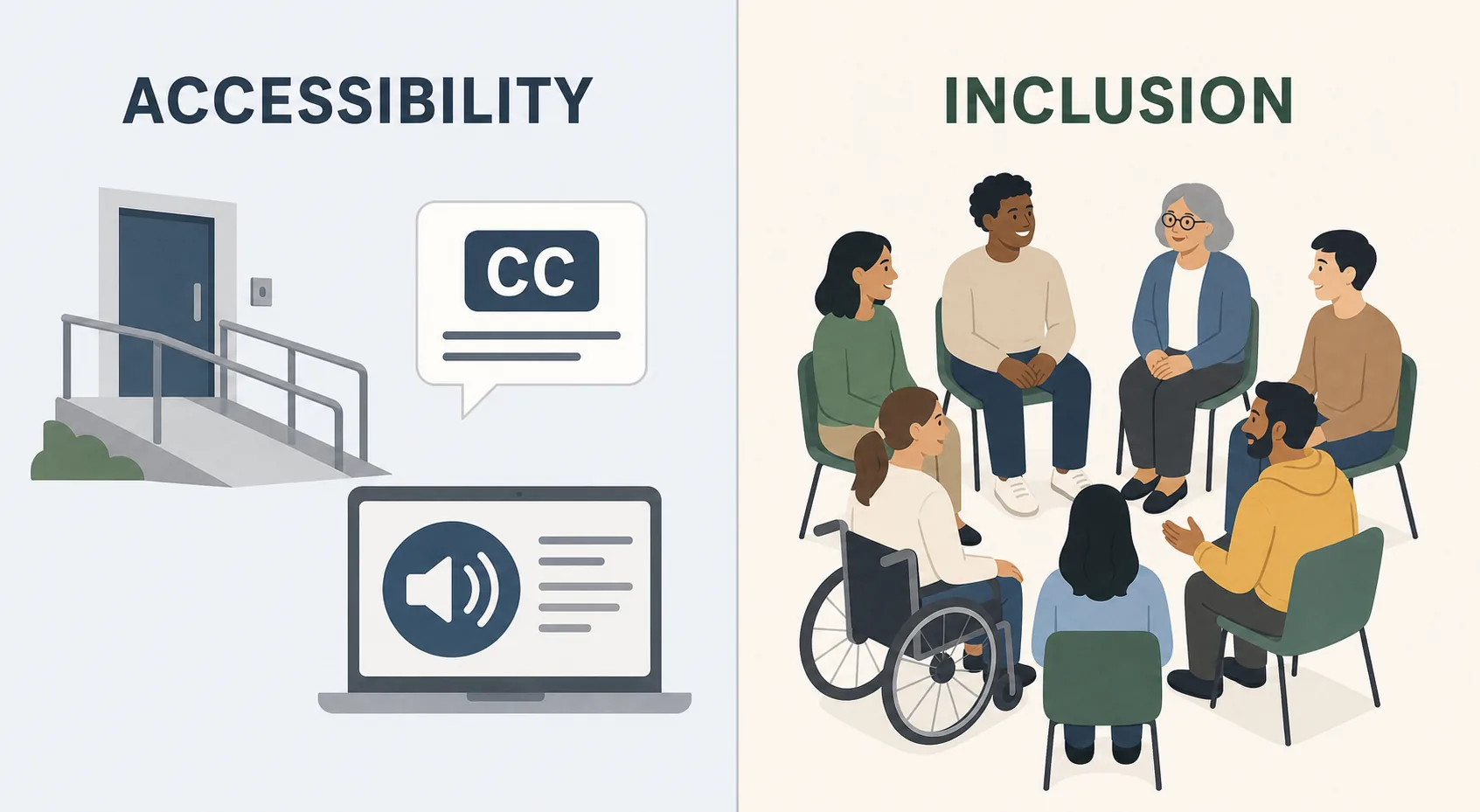
Disability inclusion means people with disabilities participate fully in everyday activities and hold roles similar to their peers: in hiring, education, services, and civic life. It goes further than accessibility. Accessibility removes physical and digital barriers (ramps, captions, screen-reader-friendly sites), while inclusion changes practices and culture so participation is expected and supported. As the CDC’s disability inclusion strategies explain, inclusion is also a health-equity issue: when programs are designed for everyone, people with disabilities gain equal access to the opportunities and health benefits others already enjoy.
Why Start a Disability Inclusion Program?
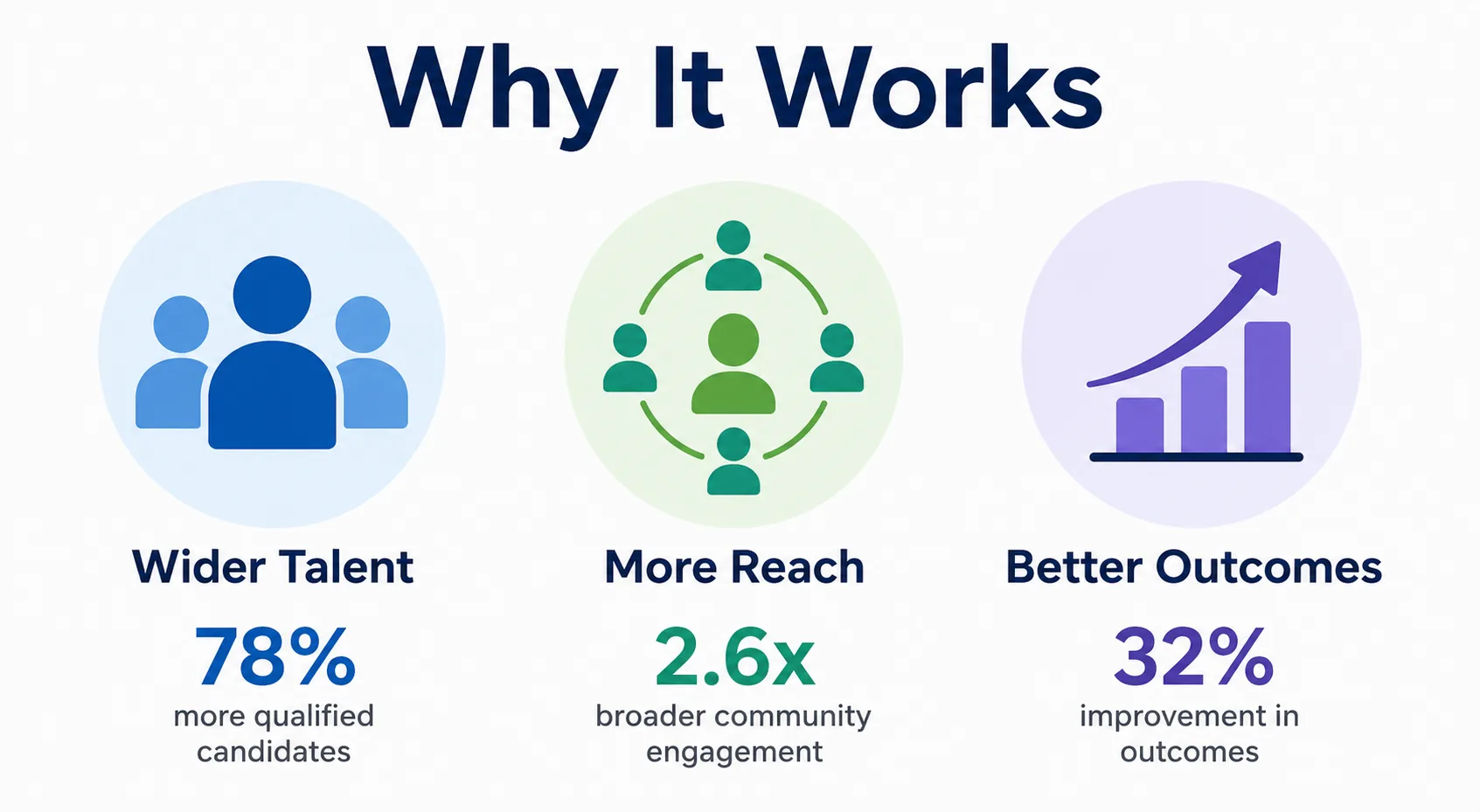
The case is practical. Inclusive organizations reach a wider talent pool, serve more of their community, meet legal obligations, and build genuine belonging. There is evidence behind it, too: a systematic review of social inclusion interventions found that structured interventions can measurably improve social inclusion for people with disabilities. A formal program turns good intentions into outcomes you can track, while disability inclusion projects can provide practical opportunities to turn those commitments into meaningful results. It also connects your work to a broader movement toward global leadership in disability inclusion, where organizations learn from and reinforce one another.
How to Start a Disability Inclusion Program (Step by Step)
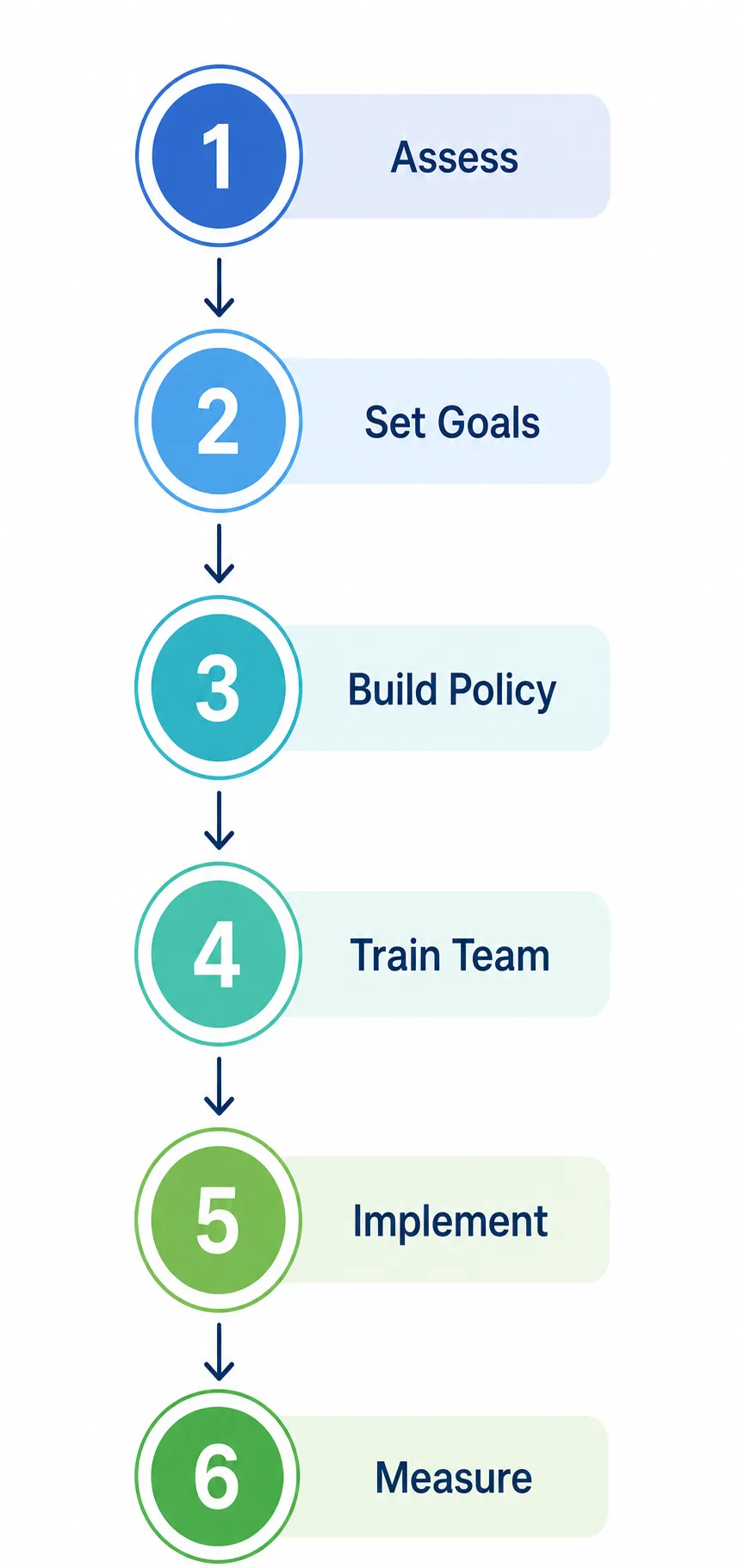
Step 1: Assess Your Current State
Start with an honest audit. Review your physical spaces, digital properties, hiring practices, and policies for barriers. Most importantly, listen to people with disabilities (employees, clients, students, or community members) about what actually gets in their way. Their input shapes everything that follows.
Step 2: Set Clear Goals and Get Leadership Buy-In
Define measurable objectives, for example an accessible application process within six months, or a set share of accommodations fulfilled on time. Secure an executive sponsor. Programs without leadership backing tend to stall when budgets or priorities shift. Our walkthrough on how to win an executive sponsor covers what to bring to that first conversation and who else needs to be in the room.
Step 3: Build Your Policy and Plan
Put your commitment in writing. A clear policy names responsibilities, timelines, and how you will handle accommodation requests. Many organizations publish their plan as a downloadable disability inclusion PDF so staff and the public can see the commitment. The federal Policy Statement on Inclusion of Children With Disabilities is a useful model for how a written policy sets expectations and principles. If you want expert help shaping the plan, advisory services that turn vision into inclusive action can guide the structure.
Step 4: Train Your Team
Disability inclusion training should cover awareness (language, unconscious bias, common misconceptions) and practical skills (how to respond to an accommodation request, how to run accessible meetings and events). Recurring training keeps the knowledge current as staff change.
Step 5: Implement Accommodations and Remove Barriers
Act on the audit. Address physical barriers (entrances, restrooms, signage), digital ones (accessible websites and documents), and attitudinal ones (assumptions about what people can do). Make the accommodation process simple and predictable to use. Programs that reach past the building itself can draw on our guide to step-free journeys on public transport, which covers vehicles, stops, and the travel information riders need before they set out.
Step 6: Measure, Review, and Improve
Track a few clear indicators: accommodation response times, retention, participation rates, and direct feedback from people with disabilities. Review results on a set schedule and adjust. Our guide on which DEI metrics to prioritize breaks down baselines, data sources, and how often leadership should see a report. Inclusion is ongoing, not a box to check.
A formal program turns good intentions into outcomes you can track.
Disability Inclusion Examples by Setting

| Setting | What inclusion looks like |
|---|---|
| In the Workplace | Accessible job postings, flexible schedules, assistive technology, and a clear accommodation process. Inclusion in the workplace also means inviting people with disabilities into decision-making, not just onto the payroll. |
| In Education | Inclusive classrooms, universal design for learning, and accessible materials let students learn alongside peers. |
| In the Community | Inclusive recreation, civic participation, and adult day programs help people live in the community they choose. Opening a day program for adults with disabilities typically involves licensing, trained staff, accessible facilities, and stable funding, planned much like the steps above. |
A guide to inclusive education systems and policies outlines how policy and classroom practice support disability-inclusive education at scale.
How to Promote Disability Inclusion Beyond the Program
A program starts the work; culture sustains it. Use respectful, person-first or identity-first language (ask which people prefer), share real stories, and name ongoing champions who keep inclusion visible. One strong path is to become a disability inclusion ambassador and get involved, leading efforts in your city, campus, or company with dedicated resources and support. Building inclusion into how you design programs and research, as UCSF’s accessible and inclusive research practices describe, keeps participation central rather than an afterthought.
Frequently asked questions
What are examples of disability inclusion?
Are migraines covered under the disability act?
Do neuropathy conditions qualify for disability?
How do you open a day program for adults with disabilities?
Starting is the hardest part. Once you commit to a written plan and the right support, each step builds on the last, and inclusion becomes part of how your organization works.